

This post contains paid and/or affiliate links. I make a small commission at no extra cost to you. Please see our Privacy Policy.
The struggle to forgive yourself can feel overwhelming. Maybe you’ve made mistakes that replay endlessly in your mind, or guilt has become a constant voice whispering lies about your worth.
If that’s you, know this: you are not alone. Countless believers wrestle with self-condemnation—even after experiencing God’s grace.
But here’s the truth: guilt and shame were never meant to define you. They steal peace, weaken prayer, and keep you from walking in the fullness of your identity in Christ.
Self-forgiveness is not only possible—it becomes real when you align your heart with God’s complete and unconditional forgiveness.
The journey from condemnation to freedom begins with learning to see yourself the way God sees you: forgiven, loved, and redeemed.
Understanding God’s Complete and Unconditional Forgiveness
God’s Forgiveness Is Absolute
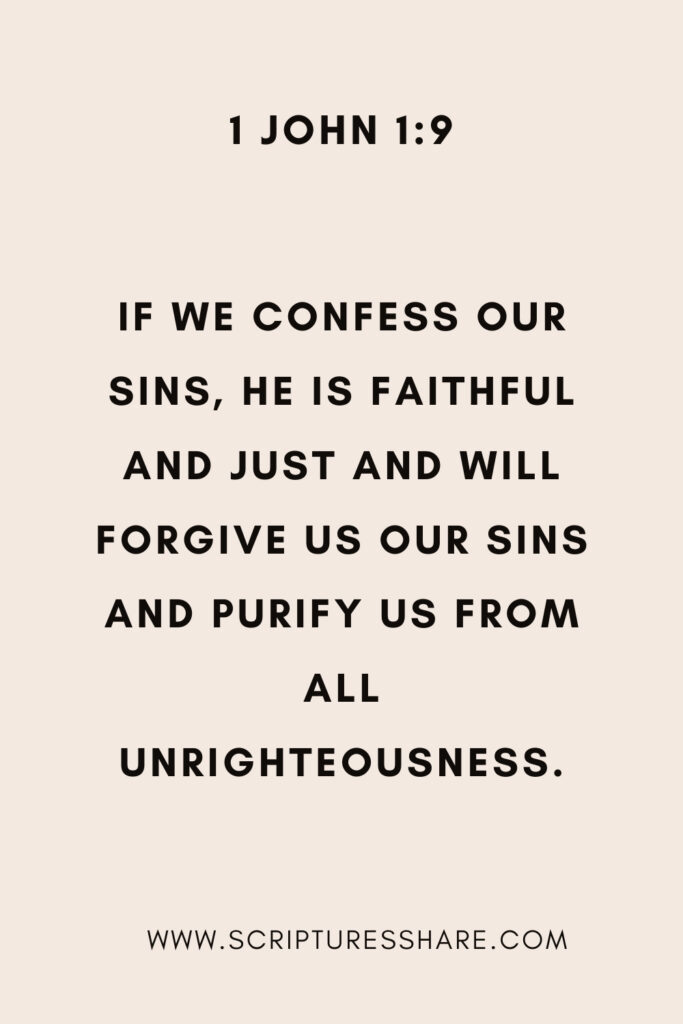
The foundation of Christian self-forgiveness is this: God’s forgiveness is complete. “If we confess our sins, he is faithful and just and will forgive us our sins and purify us from all unrighteousness” (1 John 1:9).
Notice the word all. Every mistake, every sin, every failure—God wipes them away completely and eternally.

Human vs. Divine Perspective
Our human tendency is to keep replaying mistakes, as though forgiveness must be earned. But God’s forgiveness doesn’t depend on our performance—it flows from His character. The cross sealed it forever, making it secure and unchanging.
Forgiveness as a Gift, Not a Reward
You cannot work harder to earn it, nor can you lose it. Forgiveness is a gift freely given through Jesus Christ. Accepting this truth is the key to ending cycles of spiritual self-punishment—you’re not fighting for victory, you’re living in a victory already won.

Why Self-Forgiveness Feels Impossible
The Inner Critic’s Relentless Voice
That harsh inner voice rehearsing your failures is not God’s voice. It’s the enemy, twisting your past into chains of shame. What feels like reflection is often spiritual warfare designed to keep you trapped.
Mental Replay of Mistakes
Our minds can become prisons—holding us captive as both guard and prisoner. The more we replay failures, the more we believe lies about who we are.
Spiritual Bondage Through Guilt
The enemy’s strategy is simple: keep you bound in guilt so you cannot walk boldly in your God-given calling. Self-condemnation silences prayer, weakens witness, and stifles purpose.
Aligning Your Perspective with God’s Truth
Embracing “No Condemnation”
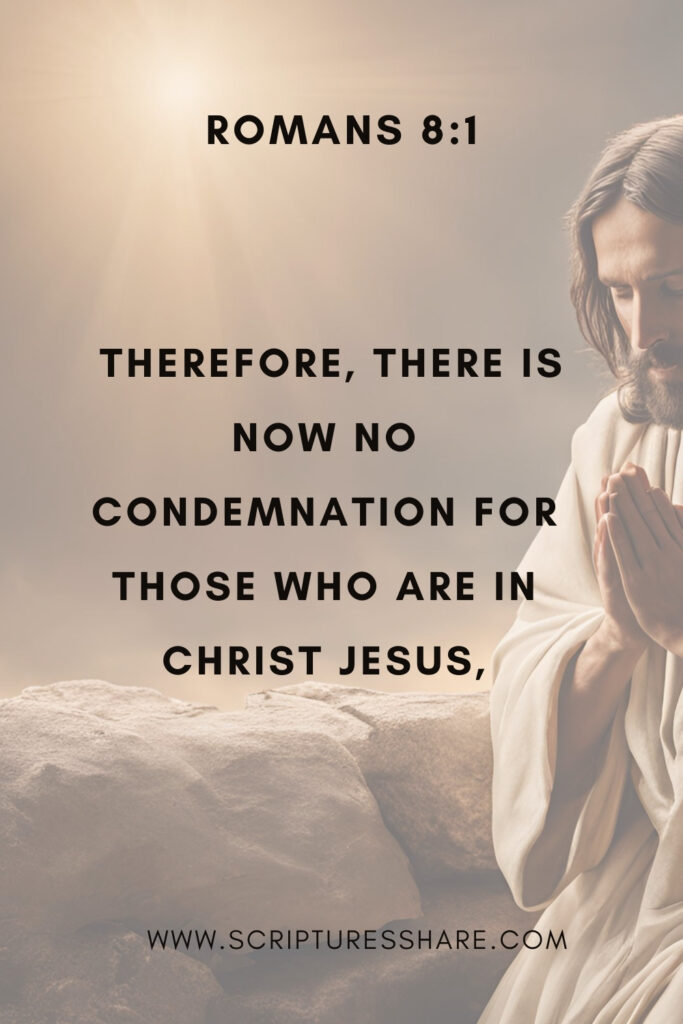
Romans 8:1 declares: “There is now no condemnation for those who are in Christ Jesus.” This is not a suggestion—it’s reality. When guilt rises, anchor yourself in this truth.
God’s Geographic Forgiveness
Psalm 103:12 says: “As far as the east is from the west, so far has he removed our transgressions from us.” East and west never meet—God has put infinite distance between you and your sins.
Releasing What God Has Released
If God Himself has forgiven and forgotten your sins, why should you hold onto them? To forgive yourself is to agree with God’s verdict instead of your own feelings.
5 Biblical Steps to Self-Forgiveness
Honest Confession and Repentance
Bring your sin to God openly—without minimizing or justifying. “Create in me a pure heart, O God, and renew a steadfast spirit within me” (Psalm 51:10).Receive His Forgiveness by Faith
Don’t wait for feelings to confirm it. God’s Word, not your emotions, is the proof of your forgiveness.Replace Lies with Scripture
Speak truth over your life daily:“He does not treat us as our sins deserve” (Psalm 103:10)
“I am He who blots out your transgressions” (Isaiah 43:25)
“The blood of Jesus purifies us from all sin” (1 John 1:7)
Practice Daily Gratitude
Thank God for His forgiveness, even when you don’t feel it. Gratitude shifts focus from your failures to His faithfulness.Walk in Your Forgiven Identity
Make choices that reflect your new identity in Christ. Freedom grows when you live like someone who has truly been forgiven.
Healing Through Prayer and Mind Renewal
The Power of Release Through Prayer
Prayer is where guilt is exchanged for peace. Be specific—name what you’re releasing and welcome His forgiveness into that place.
The Holy Spirit’s Renewal Ministry
Invite the Spirit to renew your mind. Ask Him to highlight hidden guilt and replace it with truth.
Practical Prayers for Recurring Guilt
“Father, thank You that I am forgiven through Christ. I refuse to hold onto what You’ve released. Fill me with Your peace and help me walk in freedom.”

Extending Grace to Yourself and Others
Self-Compassion Is Biblical
Treat yourself with the same kindness you’d extend to another believer. Jesus showed compassion to the broken—why not offer it to yourself?
Forgiveness Flows Outward
When you embrace God’s forgiveness for yourself, it becomes easier to forgive others. Grace multiplies.
Living as a Testimony
Your healing journey isn’t just for you—it becomes a testimony that inspires others to seek freedom in Christ.
Biblical Freedom from Self-Condemnation
Start each day declaring your forgiven identity.
Interrupt guilt with Scripture.
Stay connected to a grace-filled community.
Remember daily what Christ has done for you.
Help others walk in the same freedom.
“Because of the Lord’s great love we are not consumed, for his compassions never fail. They are new every morning” (Lamentations 3:22–23). Each new day is fresh with grace.
Reflection Questions
What guilt do you need to bring to God today?
How has holding onto guilt hindered your relationships?
What would your life look like if you fully believed you are forgiven?
A Prayer for Daily Self-Forgiveness
Heavenly Father, I bring my struggles with guilt and self-condemnation to You. Thank You that through Jesus Christ I am completely forgiven. Help me see myself as You see me—clean, loved, and free. When guilt whispers lies, remind me of Your truth. Give me strength to walk in Your freedom and extend grace to others. In Jesus’ name, Amen.
Moving Forward in Grace
Consider starting a forgiveness journal. Write down what you’re releasing to God and record Scriptures about His forgiveness. Review it as a reminder of how far you’ve come.
God’s forgiveness is complete. His love is unconditional. His desire is your freedom. Your past does not disqualify you—it prepares you to live empowered by His grace.
If this encouraged you, share it with someone else who needs to know: freedom in Christ is real, and it’s available today.