

This post contains paid and/or affiliate links. I make a small commission at no extra cost to you. Please see our Privacy Policy.
Christian history is a subject that fascinates many, providing insights into the origins and development of one of the world’s largest religions. While historical texts offer valuable information, archaeological discoveries have become essential in deepening our understanding of the early days of Christianity.
By unearthing ancient artifacts and manuscripts, researchers have gained valuable insights into the world in which the New Testament was written, shedding light on the context and the people who shaped early Christianity.
Uncovering Ancient Manuscripts and Texts
The recovery of ancient manuscripts is a crucial aspect of understanding the material world of early Christians. Scrolls, made of papyrus or parchment, were the primary format for written works in the ancient world. However, the codex format, which replaced the scroll, became more prevalent in producing early church writings.
Different manuscripts have revealed important details about the early versions of biblical works. For example, the discovery of a papyrus codex containing letters attributed to the apostle Paul confirmed that Paul himself did not write the Pastoral Epistles.
Another significant find was a fragment of the Gospel of John, dating back to the first half of the second century, which suggests that the gospel was completed by that time.
Key Takeaways:
- Archaeological discoveries enhance our understanding of Christian history.
- Ancient manuscripts reveal early versions of biblical works and their development over time.
- The Galilee Boat and other findings prove Jesus’ life and teachings.
- Early Christian material culture reflects their identity, practices, and beliefs.
- Exploring Christian history through archaeology enriches our understanding of human civilization.
Significance of Archaeological Discoveries in Understanding the Life of Jesus
Archaeological discoveries play a crucial role in enhancing our understanding of the life of Jesus and the historical context in which he lived. These discoveries provide tangible evidence supporting biblical accounts and enhancing our knowledge of Jesus’ teachings and actions.
The Galilee Boat: Offering Insights into Jesus’ Time
One of the significant archaeological discoveries related to Jesus is the Galilee Boat, also known as the “Jesus Boat.” This ancient vessel is believed to have been in use during Jesus’ time and provides valuable insights into the fishing industry in the region. The boat’s design and construction shed light on the type of vessel used by fishermen like Peter and Andrew, disciples of Jesus. It allows us to visualize the maritime activities that were integral to Jesus’ daily life and ministry.
Remains of Synagogues: Confirming Jesus’ Presence
The remains of synagogues discovered in locations mentioned in the gospels affirm the presence of Jesus in those specific places. One such example is the synagogue in Capernaum, where Jesus taught. Excavations have revealed these ancient synagogues’ foundations and architectural features, providing tangible evidence of Jesus’ teachings in these exact locations. It strengthens the historical context of Jesus’ ministry and his impact on the communities he visited.
The Pool of Siloam: Tangible Evidence of Miracles
The discovery of the Pool of Siloam in its original location is another significant archaeological find that validates the biblical accounts of Jesus’ miracles. This pool is mentioned in the New Testament as where Jesus healed a blind man by anointing his eyes with mud. The excavation of the pool and its associated structures provides physical evidence of the pool’s existence and significance and offers a glimpse into the environment in which Jesus conducted his miraculous healings.
The Pilate Stone: Confirming Historical Figures
Another archaeological discovery, the Pilate Stone, found in Caesarea Maritima, confirms the historicity of Pontius Pilate as the Roman governor who sentenced Jesus to death. This inscribed stone mentions Pilate’s name and title, providing concrete evidence of his existence and position during Jesus’ lifetime. The discovery of this artifact strengthens the historical authenticity of the events surrounding Jesus’ trial and crucifixion.
The archaeological discoveries related to Jesus, such as the Galilee Boat, remains of synagogues, the Pool of Siloam, and the Pilate Stone, contribute significantly to our understanding of his life, teachings, and the historical context in which he lived. These findings bring us closer to the world Jesus inhabited and help us appreciate the depth and impact of his ministry.
Early Christian Material Culture and Identity
The material culture of early Christians played a significant role in expressing their identity, practices, and beliefs. They left behind a rich archaeological record that provides valuable insights into their way of life.
Mortuary Inscriptions and Wall Paintings
Early Christians used mortuary inscriptions and wall paintings in catacombs to advertise their religious affiliation and commemorate the deceased. These artworks often depicted biblical scenes, martyrs, and symbols of faith, serving as a visual testament to their Christian identity.
Construction of Churches
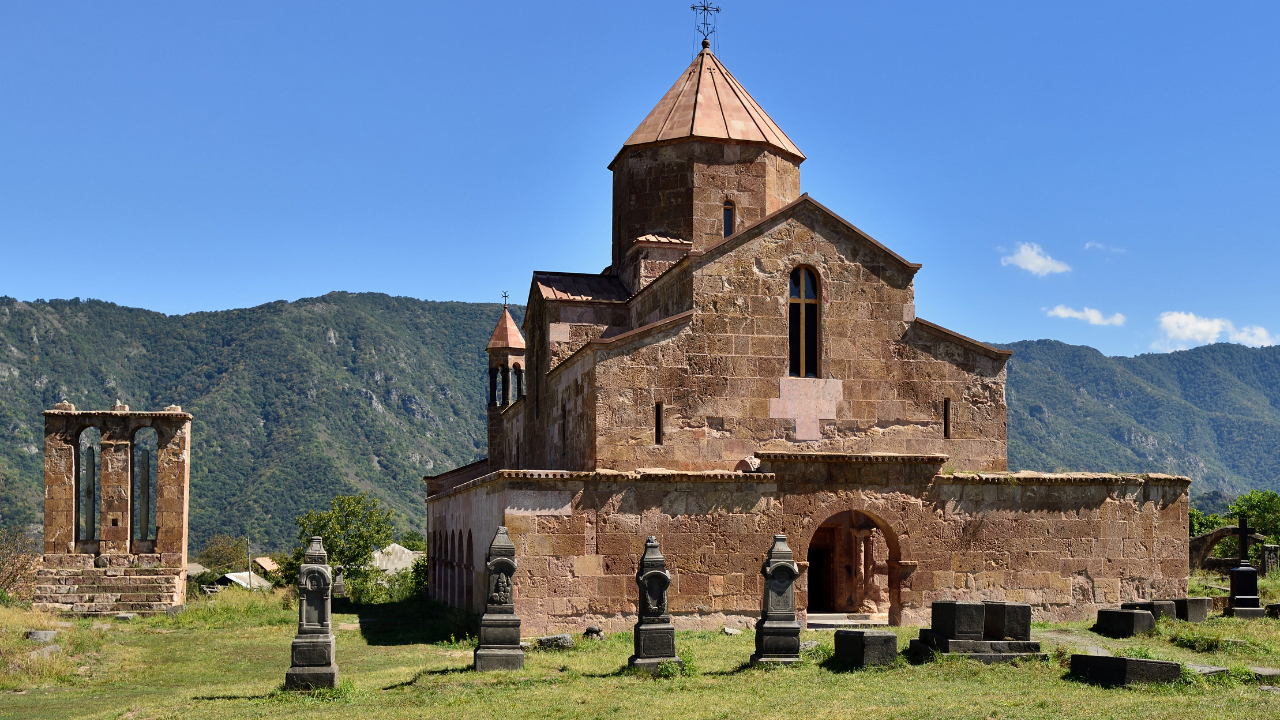
As early Christianity gained importance, Christians constructed churches as dedicated spaces for communal worship. These religious structures reflected their growing religious identity and served as a symbol of their faith. Some earliest examples of Christian architecture include the Church of the Holy Sepulchre in Jerusalem and the Basilica of San Clemente in Rome.
Symbols and Art
Sacred symbols and art were prevalent in early Christian material culture. The cross, a symbol of Jesus’ crucifixion and redemption, became an iconic representation of Christian identity. Early Christians incorporated crosses and other religious imagery into everyday objects like pottery, bricks, and tile, further emphasizing their faith.
- The fish symbol, known as the ichthus, was another important symbol used by early Christians. It represented Jesus and served as a secret sign of recognition among believers.
- Early Christian art also depicted biblical stories, saints, and important religious figures. These artworks adorned churches and served as educational tools, conveying spiritual teachings to the faithful.
Evolution of Christian Material Culture
Early Christian material culture evolved due to the conversion of emperors and the elite. Grand religious architecture, such as the Basilica of Constantine in Trier, Germany, and the Hagia Sophia, not Constantinople, was constructed with their support. The sacralization of settlements and buildings further solidified Christian identity and impacted architectural and artistic traditions.
In conclusion, early Christian material culture is a window into the world of early Christianity. Through mortuary inscriptions, wall paintings, religious architecture, symbols, and art, we can better understand their beliefs, practices, and the development of Christian identity.
Conclusion
The exploration of Christian history through archaeological discoveries has been instrumental in understanding the world in which the New Testament was written and the development of early Christianity. By uncovering ancient manuscripts, discovering significant artifacts, and studying early Christian material culture, we have gained valuable insights into the religious and historical context of Christianity.
We have traced the early versions and development of biblical works by recovering ancient manuscripts, such as papyrus codices containing letters attributed to the apostle Paul. Additionally, significant findings like the Codex Sinaiticus and the Dead Sea Scrolls have provided a broader perspective on the religious climate of the time and the evolution of early Christian beliefs.
Archaeological discoveries have also shed light on the life of Jesus and the events described in the gospels. The Galilee Boat, believed to have been in use during Jesus’ time, offers insights into the type of vessel fishermen like Peter and Andrew used. The synagogues, including the one in Capernaum where Jesus taught and the Pool of Siloam, where he healed a blind man, serve as tangible evidence of the locations mentioned in the biblical accounts.
Furthermore, early Christian material culture, such as the construction of churches, the use of sacred symbols and art, and the incorporation of religious imagery in everyday objects, has shaped early Christians’ identity, practices, and beliefs. The transformation of the physical world through the Christianization of architecture and material objects serves as a testament to the profound impact of early Christianity on human civilization.
FAQ
How have archaeological discoveries contributed to our understanding of Christian history?
Archaeological discoveries have provided valuable insights into the world in which the New Testament was written and the development of early Christianity. They have helped us understand the religious and historical context of Christianity.
What have ancient manuscripts and texts revealed about early versions of the Bible?
The recovery of ancient manuscripts, such as papyrus codices, has revealed important details about the early versions of biblical works. For example, they have confirmed that the Pastoral Epistles were not written by the apostle Paul himself.
What archaeological discoveries have shed light on the life of Jesus?
Several archaeological discoveries have contributed to our understanding of the life of Jesus. For example, the Galilee Boat, believed to have been in use during the time of Jesus, provides insight into the type of vessel used by fishermen like Peter and Andrew.
How did early Christians express their identity through material culture?
Early Christians established a unique material presence through various means, such as mortuary inscriptions, wall paintings in catacombs, and the construction of churches. They also incorporated religious symbols and art in everyday objects, showing their religious affiliation.
Why is exploring Christian history through archaeological discoveries important?
Exploring Christian history through archaeological discoveries allows us to uncover the richness and complexity of Christian history and its impact on human civilization. It provides a deeper understanding of the religious and historical context of Christianity.